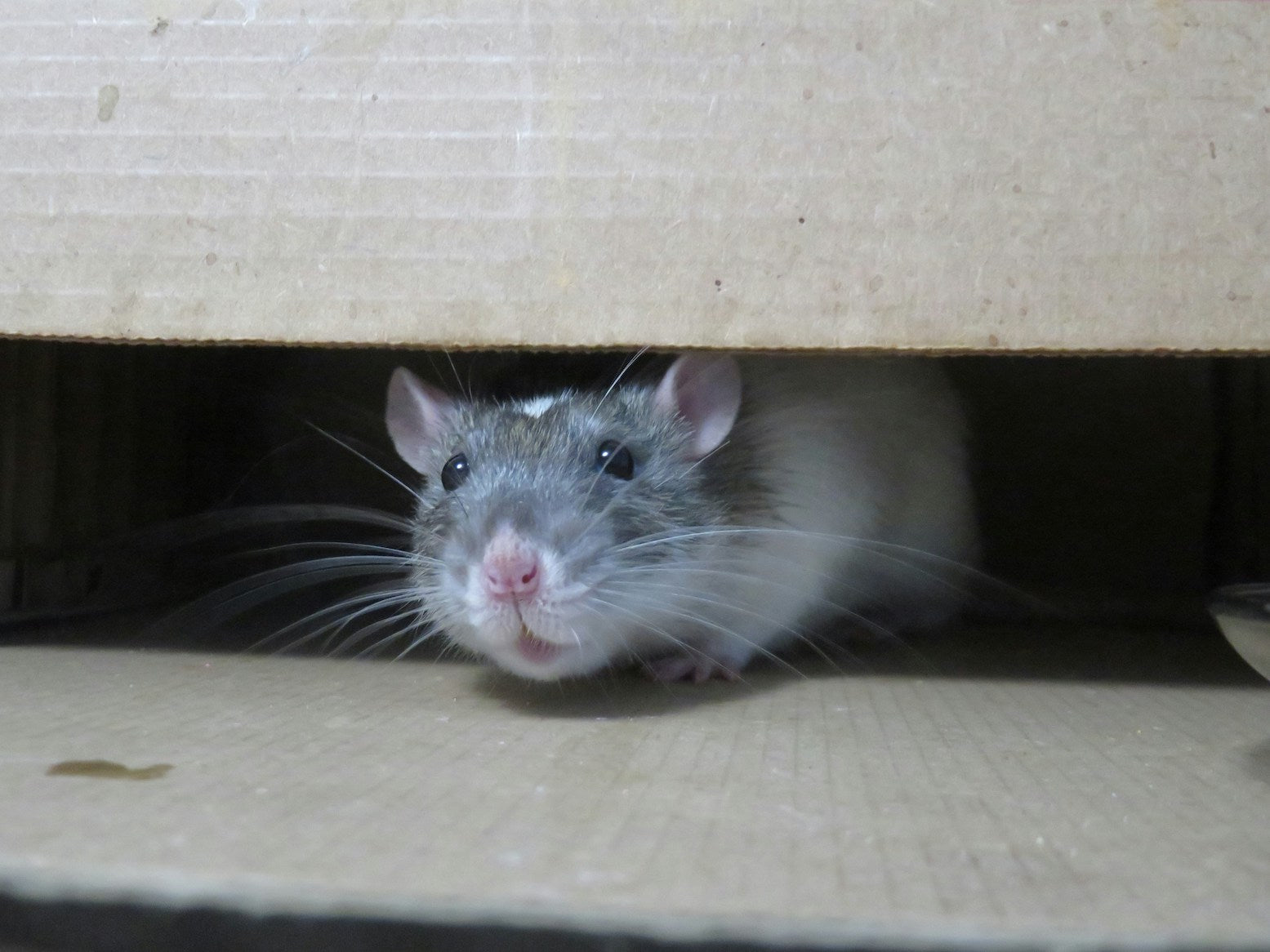
Signs That Rodents Have Escaped the Winter Inside of Your Home


Calls to pest control professionals often go up in the winter, when rodents are moving into our living spaces on their quest to find food, shelter, and warmth.
If you think you might be one of the many people who have noticed an increase in rodents this winter, keep reading to find out how you can handle it.
Contrary to popular belief, common household rodents like mice and rats do not hibernate during the winter. Instead, they remain active year-round, even during the coldest months of the year. Unfortunately for us, that means we need to learn how to keep rodents out of our home in the winter.
As temperatures drop, our homes offer everything they need – heat, shelter, and easy access to food.
Any cracks in foundations, gaps around doors, or open vents around your home could become an entry point for mice and rats desperate to escape the cold.
Winter also reduces natural food sources outdoors. This forces rodents to scavenge inside pantries, trash bins, and pet food containers.
In addition to the damage they cause to food and property, rodents are known to carry diseases and parasites that can pose health risks to your household. Keeping them out during winter is essential for both your home’s safety and your family’s well-being.
Rodents leave behind plenty of clues. Here are the most common signs to watch for during winter.
Mice eat frequently and defecate frequently. In fact, the average house mouse produces between 40 and 100 droppings per day!
The problem is that those droppings can carry disease and spread those germs throughout your home as they move about, leaving urine and droppings in their tracks.
Mice travel along baseboards and corners to navigate a room, which is why these spaces are where you will likely find droppings.
Mouse droppings look like small, dark grains of rice with pointed ends and are brown in color. Rat droppings tend to be slightly larger, like the size of jelly beans.
Heavy mice infestations leave a telltale musky odor in the air. If you are noticing a room or area of your home with a distinct odor, it could be due to rodent urine.
In addition to having a particular scent, mice also have famously oily fur. This is why they typically leave behind grease rub marks as they run along walls and baseboards.
Mice are constantly gnawing as their teeth are always growing. They gnaw their way through walls to create openings, gnaw on woodwork, and may even create a fire hazard around the home as they gnaw on electrical wiring.
Another major sign of a mice infestation is the presence of shredded nesting materials, such as twine or cotton. They are typically built in out-of-the-way areas within the home, garage, or attic, including under the hood of your car.
Although it may be hard to identify the nest as belonging to a rat or a mouse, you can typically find nearby droppings to confirm your suspicions.
Knowing where to look can help you catch early signs of winter rodent infestations. Here are some of the top mouse hiding spots.
Mice love secluded areas like attics, crawlspaces, and utility rooms, which are always the perfect retreat for rodents.
Kitchens and pantries are two more prime targets for rodent activity. Look for gnawed food containers, droppings in cabinets or under appliances, or nesting materials tucked behind ovens or dishwashers.
Garages and basements are often cluttered, especially when used for storage of things like bird seed or pet food.
Physical clues aren’t the only way to catch a mouse. You can also listen, too.
Scampering, scratching, and other noises in walls, ceilings, or even floors could be caused by a rodent. Mice are nocturnal, which is why you’ll typically hear them at night when they are in search of food.
But don’t rely on noise alone to uncover a mouse problem. Mice are very tiny creatures and can live among us comfortably and quietly.
Prevention is key to keeping winter rodents outside. Here are some ways to keep them out this year:
Early detection can help prevent a full-blown mouse infestation!
If you do happen to catch some visitors this winter, don’t worry! Catchmaster™ is here to help you catch a mouse or two.
Our non-toxic and easy-to-use glue and snap mouse and rat traps will help put an end to your rodent problem – once and for all. Instead of struggling with other tools that just don’t work, become a Catchmaster today!