New Arrivals

12 products
silverfish on the bathroom floor
other pest control tips

How Do You Get Rid of Silverfish in the Bathroom?

Read More
silverfish on the white wall
other pest control tips

What Are Silverfish? Common Myths and Facts About These Pests

Read More
cockroach eggs
other pest control tips

What Homeowners Should Know About Cockroach Eggs

Read More
cockroach droppings
other pest control tips

How to Identify Roach Droppings in Your Home

Read More
many cockroaches on the floor
other pest control tips

What Do Cockroaches Smell Like?

Read More
food container filled with sunflower seeds infested by indian meal moths
moth control tips

How to Get Rid of Pantry Bugs

Read More
roaches in the kitchen
other pest control tips

How to Get Rid of Roaches in the Kitchen

Read More
Ants crawling on kitchen counter with food crumbs and bread pieces
ant control tips

How to Get Rid of Tiny Ants in the Kitchen

Read More
ants in bathroom on toothbrush
ant control tips

How to Get Rid of Ants in Your Bathroom and Keep Them Out

Read More
A large group of ants swarming along the corner of a wall and floor indoors.
ant control tips

How to Find an Ant Nest

Read More
Japanese beetle is eating a green leaf
other pest control tips

How to Get Rid of Japanese Beetles

Read More
How to Get Rid of Cockroaches | Effective Cockroach Control Tips
other pest control tips

How to Get Rid of Cockroaches | Effective Cockroach Control Tips

Read More
Close-up of pantry moth and clothes moth
moth control tips

How to Get Rid of Moths: Identify the Moth, Clean Your Home & Set Traps

Read More
Cluster of pantry moths on stored dry food
moth control tips

The Pantry Moth Life Cycle: It's the Larvae That Do The Damage

Read More
Clothes moth resting on fabric surface
moth control tips

Do Moths Eat Clothes? A Guide to Protecting Your Wardrobe

Read More
dog smelling its food
other pest control tips

Pet Food & Pests: How to Keep Pests Out of Pet Food

Read More
Our traps keep pests out without harmful chemicals. Safe for your family, and safe for the environment.
other pest control tips

Are Glue Traps Toxic to Humans or Pets? Understanding Safety Risks and Precautions

Read More
Catchmaster Rat, Mouse, and Snake Glue Traps with professional-strength adhesive, safe for home use.
other pest control tips

How Long Do Glue Board Traps Last? Shelf Life and Usage Tips

Read More
Catchmaster Basement Pest Protection Kit with non-toxic glue traps for rats, mice, and insects.
other pest control tips

Do Glue Traps Work for Mice? Pros, Cons, and Effectiveness

Read More
Catchmaster Savage Mole Trap packaging and trap design displayed, highlighting features like weather-resistant finish and easy setup.
other pest control tips

The Ultimate Homeowner's Guide: How to Catch a Mole Effectively

Read More
cricket on the finger
other pest control tips

How to Get Rid of Crickets in the House: Effective Methods and Tips

Read More

Effective Adhesive Traps for Your Pest Control Needs

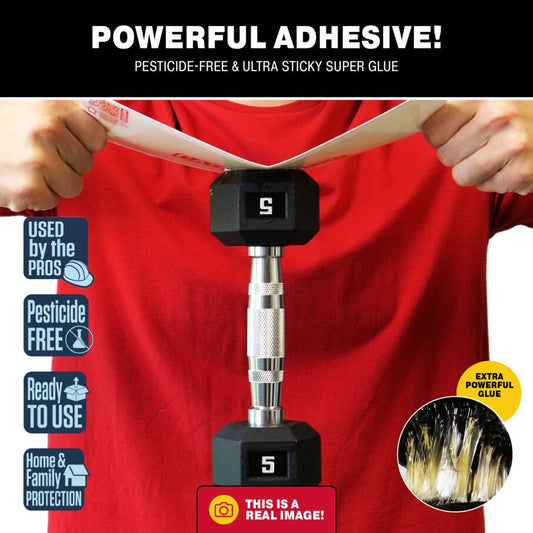
When it comes to effective glue traps for pest control, only one brand stands the test of time: Catchmaster! Suitable for use in residential, commercial, and agricultural settings, our adhesive traps are strong, effective, and non-toxic.

Designed to work in any situation, our easy-to-use, non-toxic, sticky traps come in all sizes to capture every type of pest without harming your pets or family members. Made from high-quality materials and a specialized glue formula, nothing solves a pest control problem quite like Catchmaster!

Why Choose Catchmaster's Glue Boards for Pest Control?

Our user-friendly and low-profile design will help keep your home pest-free.

Not only are our glue traps crafted to blend seamlessly into your home environment, but that same innovative design ensures safety. Use them to help eliminate unwanted insects, rodents, and other pest problems from your home.

When you need the best in pest control management, you need the one company committed to customer convenience and simple solutions. Trust the solutions the professionals trust. Trust Catchmaster!

How Glue Traps Work: An Easy, Non-Toxic Solution for Pests

Our non-toxic traps utilize a unique adhesive formula that provides superior trapping power without being dangerous or toxic to pets or children.

We take pride in being a trusted choice for safe and reliable pest control. By choosing Catchmaster, you're opting for a brand that integrates advanced technology with a strong commitment to public health.

Protect Your Home with Our Premium Sticky Traps

If you are looking for a long-lasting, effective, and non-toxic solution to your insect or rodent problems, look no further than Catchmaster!

Our commitment to excellent customer service and satisfaction will ensure that you receive reliable and effective pest control solutions every time. Join the many satisfied customers who have achieved a pest-free home with Catchmaster's trusted products.

FAQs About Our Glue Traps

How Do Glue Traps Capture Pests?

Glue traps function by using a strong, specially formulated, non-toxic adhesive to immobilize pests and trap them until they can be disposed of. Once a pest steps onto the trap, it becomes stuck, allowing for easy identification and disposal. Each trap has been designed to be placed in strategic locations where pests are most active, such as along walls or near entry points.

Are Glue Traps Safe for Pets and Children?

Yes. Catchmaster takes great pride in creating eco-friendly and non-toxic pest control solutions that are safe to use around pets and children.

Where Should I Place Glue Traps for Maximum Effectiveness?

For optimal results, place your chosen traps in locations with noticeable pest activity. Common areas include along walls and near entry points such as doors and windows. It's also beneficial to place traps in areas where pests may be attracted, such as pantries or other locations where food is stored. Since glue traps are behavioral traps, it’s best to avoid placing them in corners. Instead, position them in areas where rodents are likely to pass by quickly, increasing the chances of a successful catch.

You can also place the traps in high-traffic areas, covering the glue with release paper for a few days. This will help the mice adjust to the traps and increase the likelihood that they will run into the glue as soon as the cover is removed.

How Often Should I Check and Replace Glue Traps?

We recommend checking Catchmaster glue traps at least once a week to monitor their effectiveness and determine if they need to be replaced. If you notice increased pest activity, you may need to check and replace the traps more frequently.

If a trap has caught pests or is covered in dust or debris, it should be replaced immediately to maintain its effectiveness. Regularly checking the traps ensures that you can quickly respond to any pest activity and keep your home protected.

Can Glue Traps Be Used Outdoors?

While glue traps are primarily designed for indoor use, they can be used outdoors in certain situations. However, outdoor conditions such as extreme temperatures, rain, and wind can affect the adhesive’s effectiveness and the overall performance of the trap.

If you choose to use glue traps outdoors, it's best to place them in sheltered areas, such as inside garages, sheds, or under covered porches, where they will be protected from the elements. For a more comprehensive pest control solution, consider pairing our glue traps with other outdoor pest control methods.