60 Day Guarantee
 Secure Checkout




Rodent Traps
Shop by Pest and Environment
-

Mouse Traps
We know how to catch mice! For over 70 years, Catchmaster® has...
-
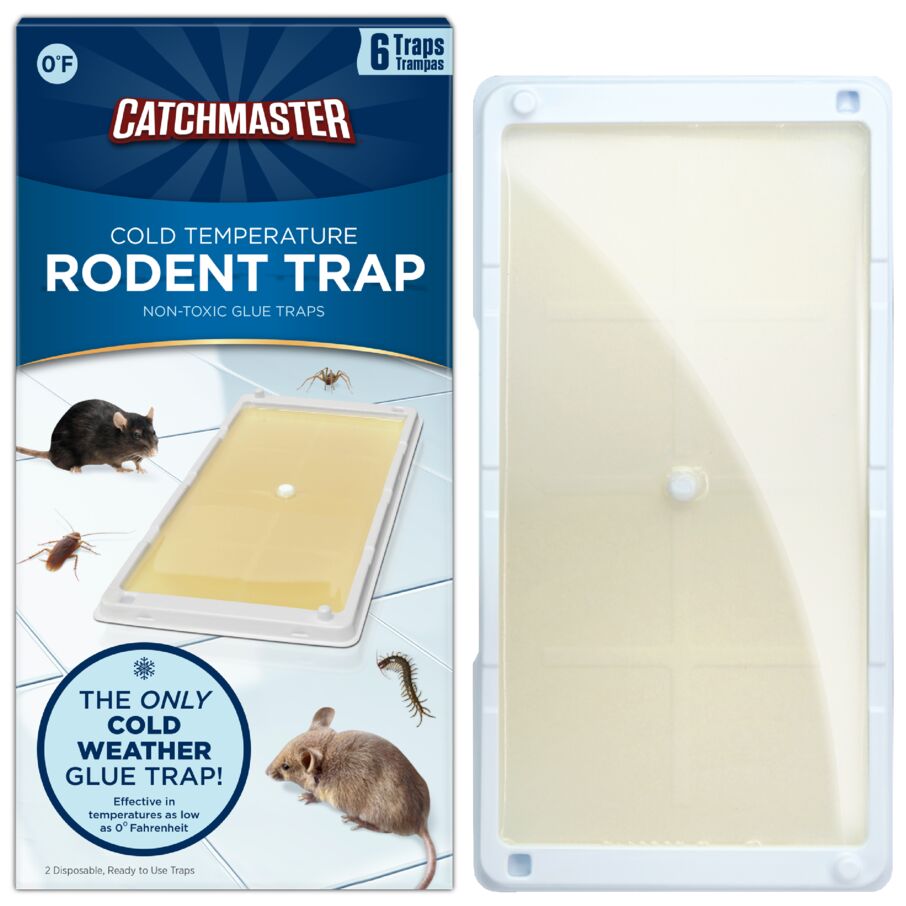
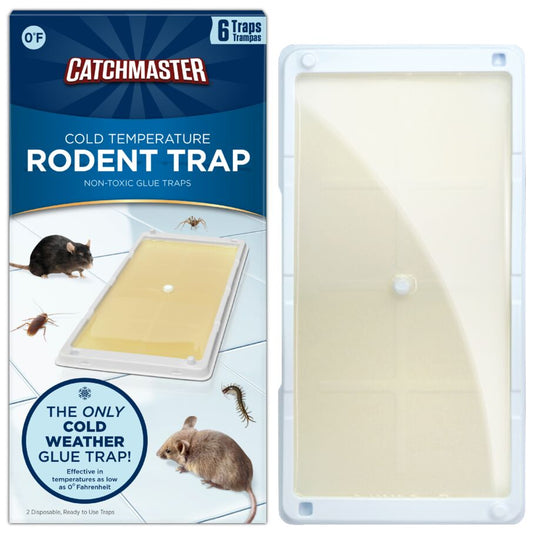
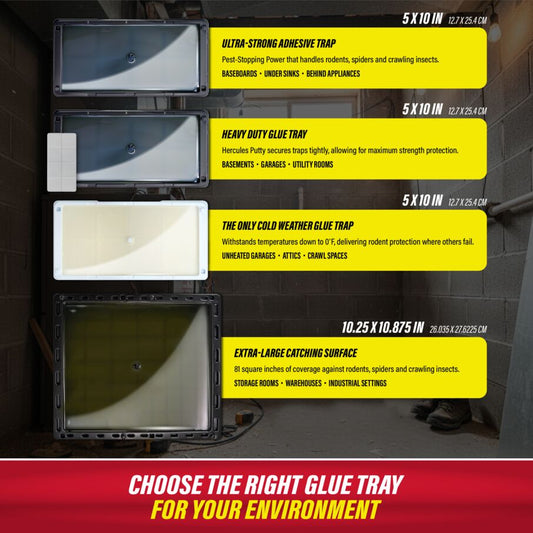
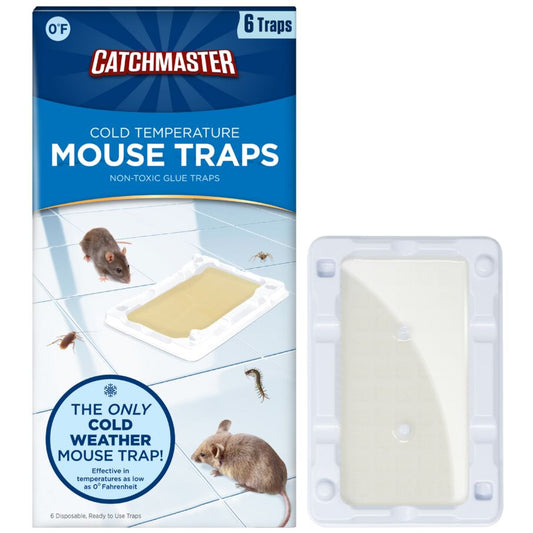
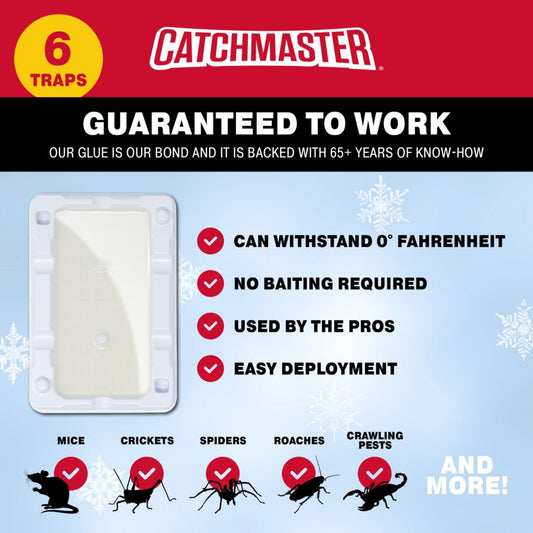
Cold Weather Glue Traps
Cold temps drive rodents and crawling pests indoors. When standard traps fail...

-
13% OFFSAVE 13%
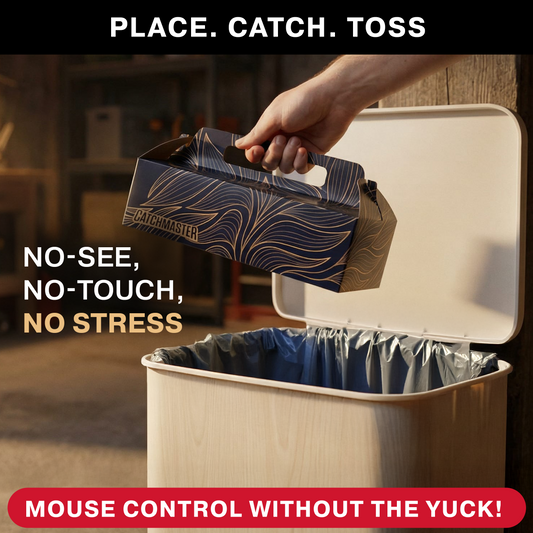
Catch & Toss: No-Touch Disposable Mouse Glue Traps Indoor (2 Pack)
Regular price $12.99 USDRegular priceUnit price per$14.99 USDSale price $12.99 USDSale -
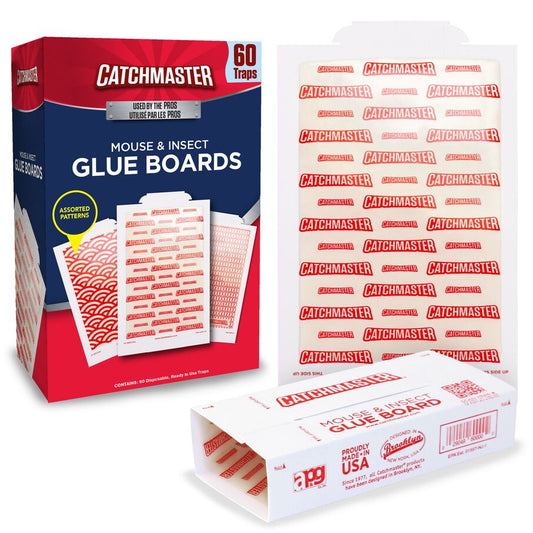
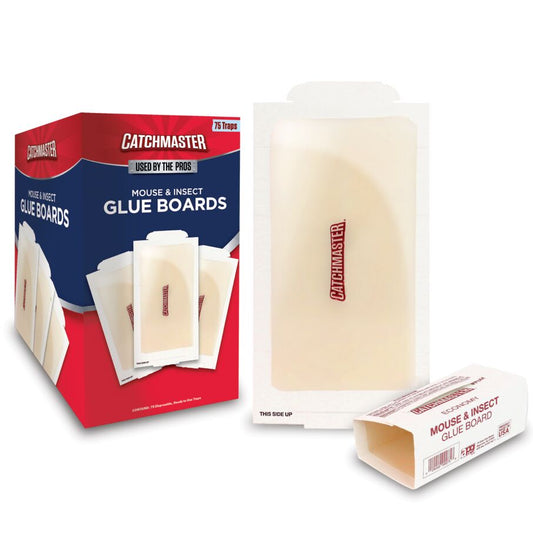
Pro Strength Mouse & Insect Glue Boards
Regular price From $14.99 USDRegular priceUnit price per$14.99 USDSale price From $14.99 USD -
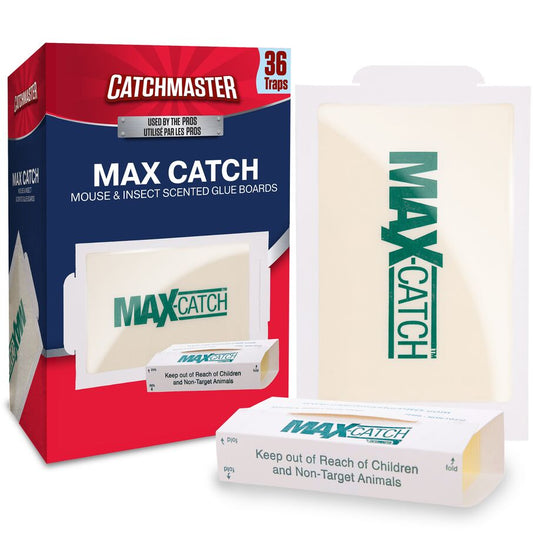
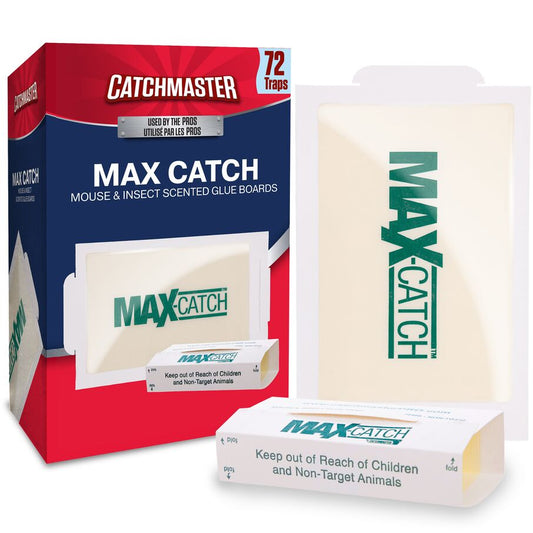
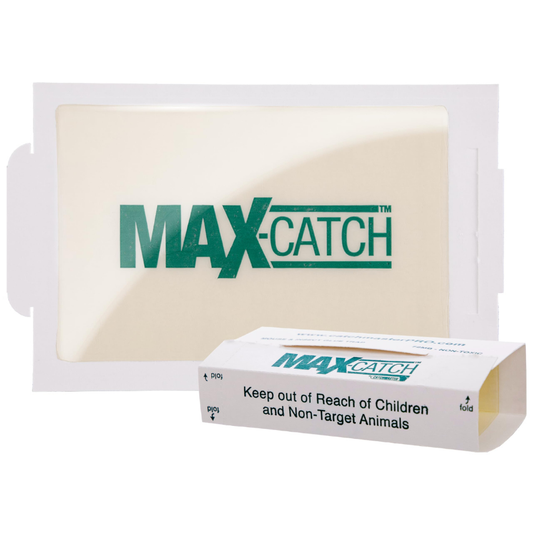
Max-Catch Classic Glue Board Traps
Regular price From $23.49 USDRegular priceUnit price per$23.49 USDSale price From $23.49 USD -
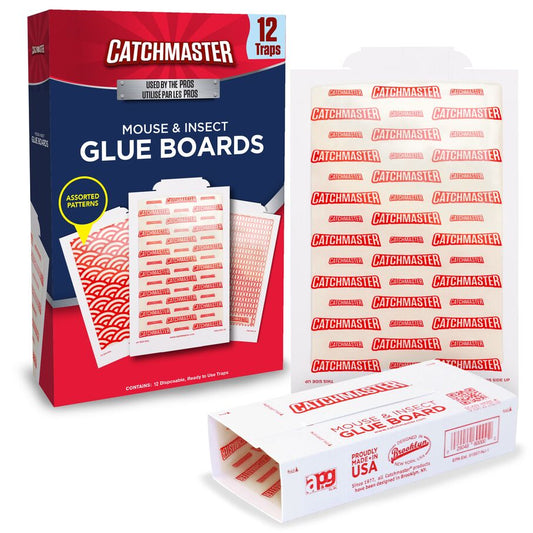
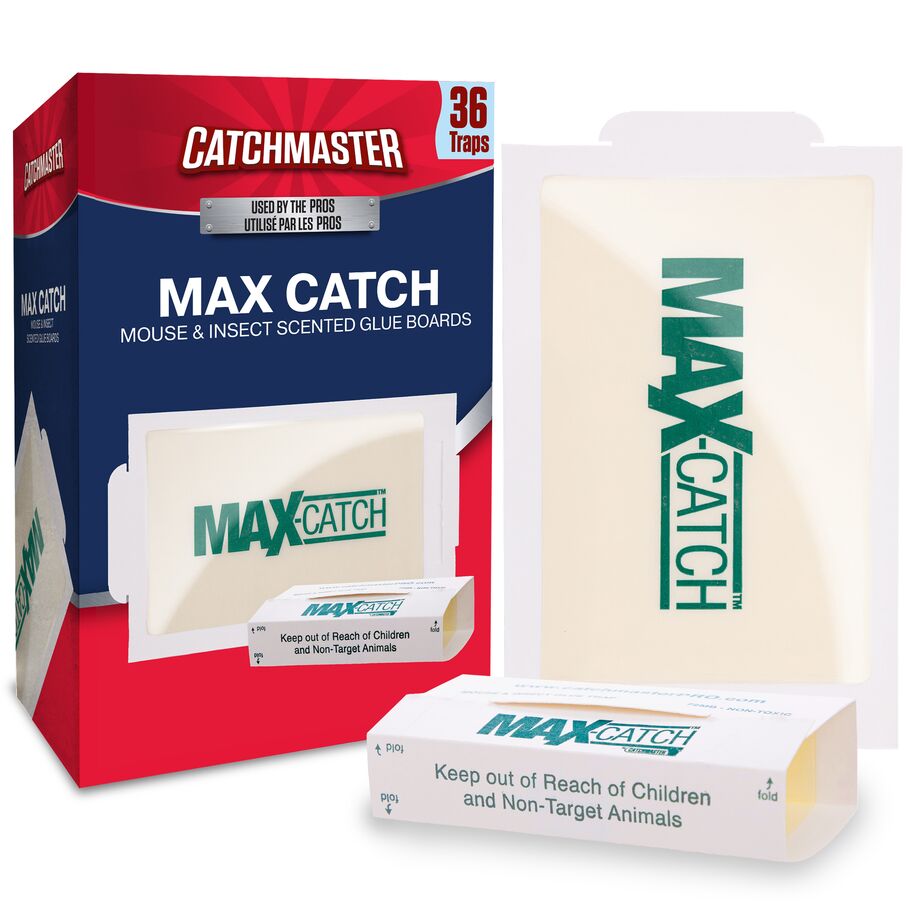
Mouse and Insect Glue Board Traps
Regular price $28.49 USDRegular priceUnit price per$28.49 USDSale price $28.49 USD -
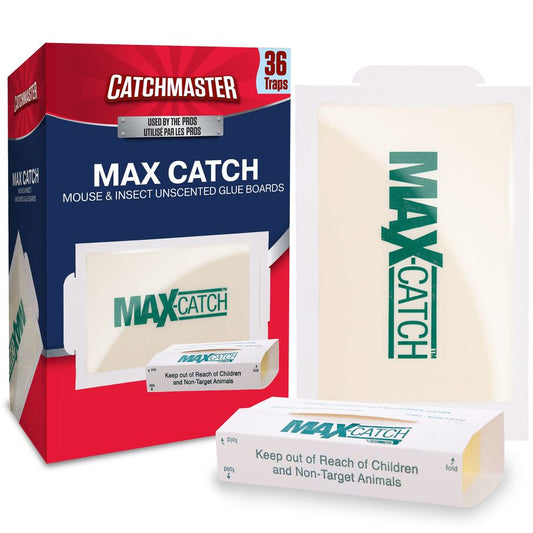
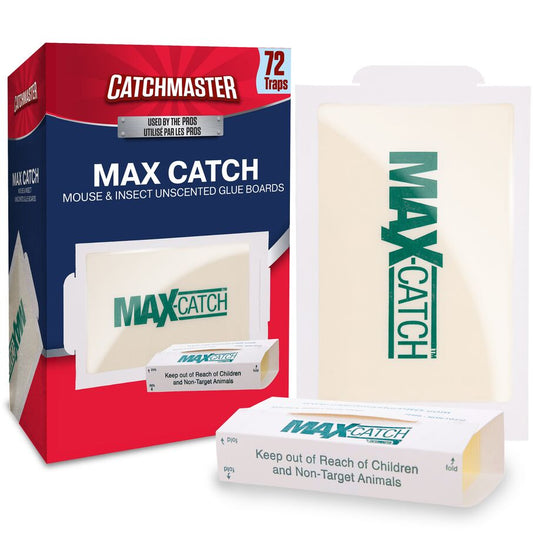
Max-Catch Unscented Glue Board Traps
Regular price From $23.49 USDRegular priceUnit price per$23.49 USDSale price From $23.49 USD -
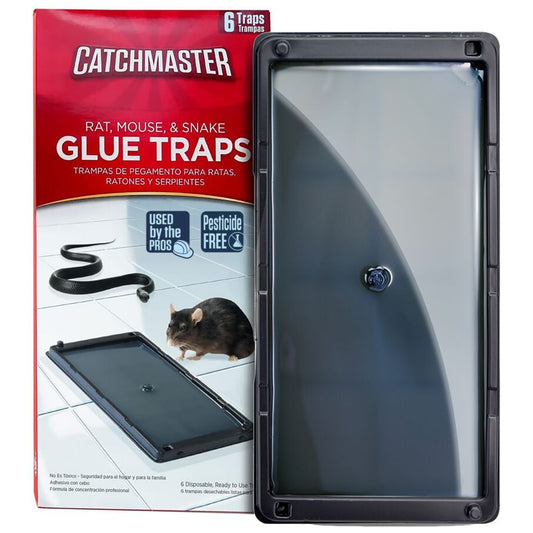
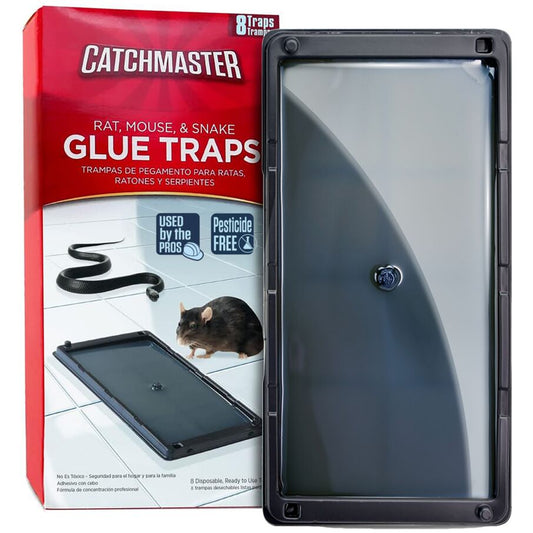
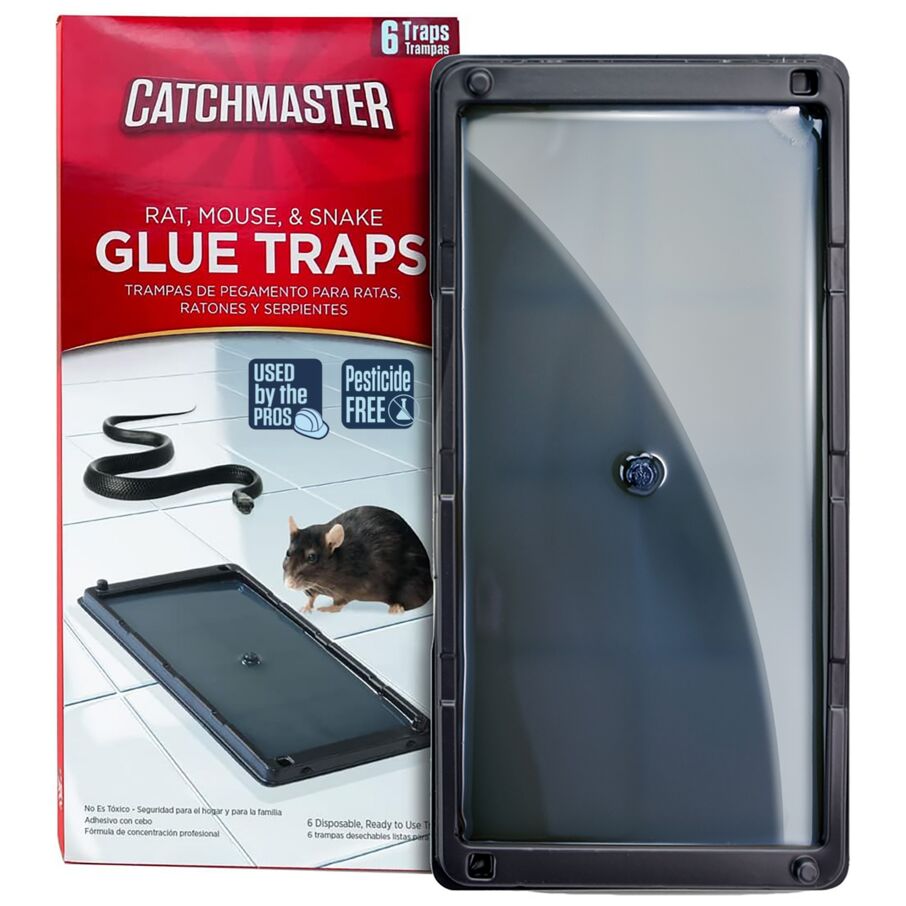
Rat, Mouse & Insect Glue Traps
Regular price From $15.72 USDRegular priceUnit price per$15.72 USDSale price From $15.72 USD -
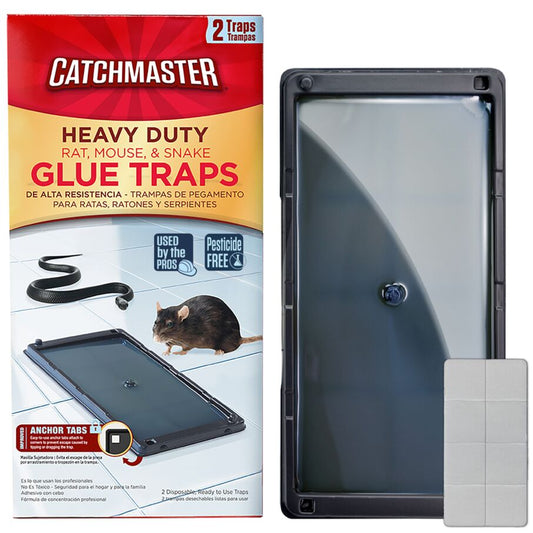
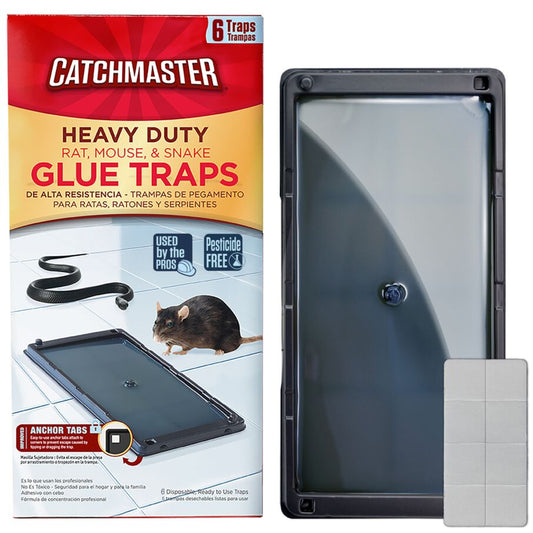
Heavy-Duty Rat, Mouse & Insect Glue Traps
Regular price From $6.99 USDRegular priceUnit price per$6.99 USDSale price From $6.99 USD -
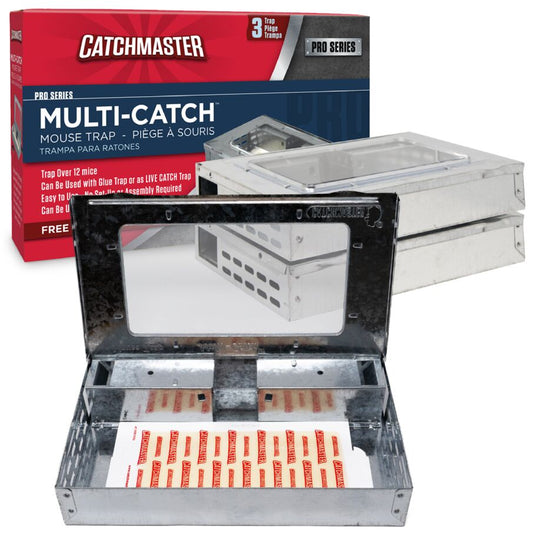
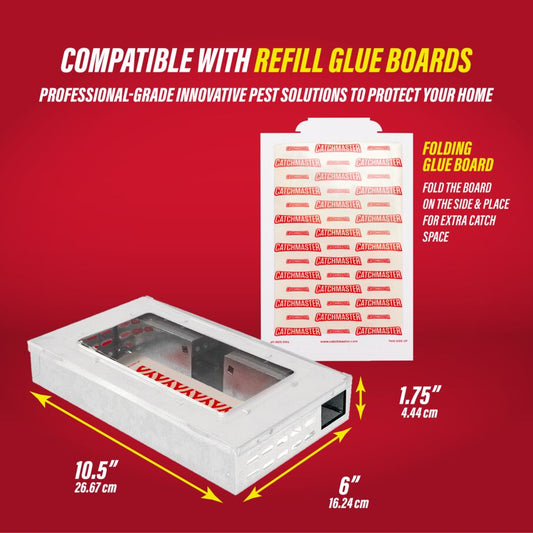
Pro Series Multi-Catch Mouse Trap Includes Replaceable Glue Board
Regular price From $19.59 USDRegular priceUnit price per$19.59 USDSale price From $19.59 USD -
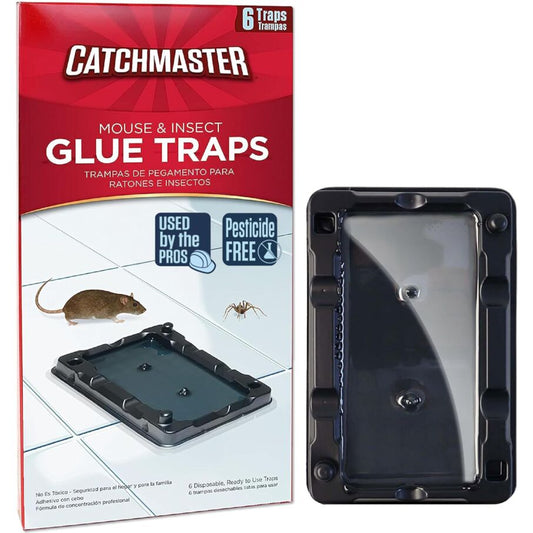
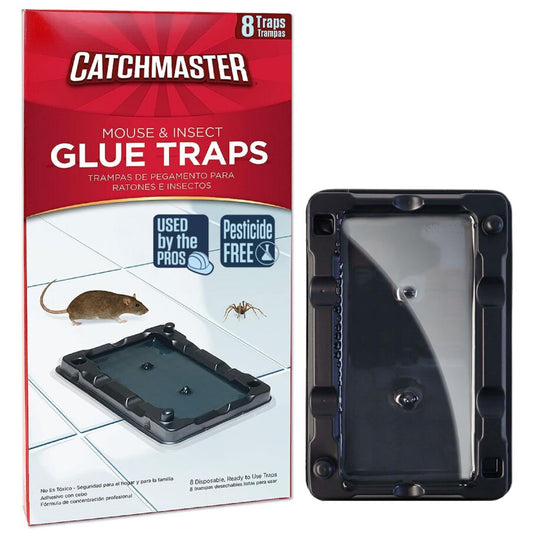
Mouse & Insect Glue Traps
Regular price From $8.86 USDRegular priceUnit price per$8.86 USDSale price From $8.86 USD -
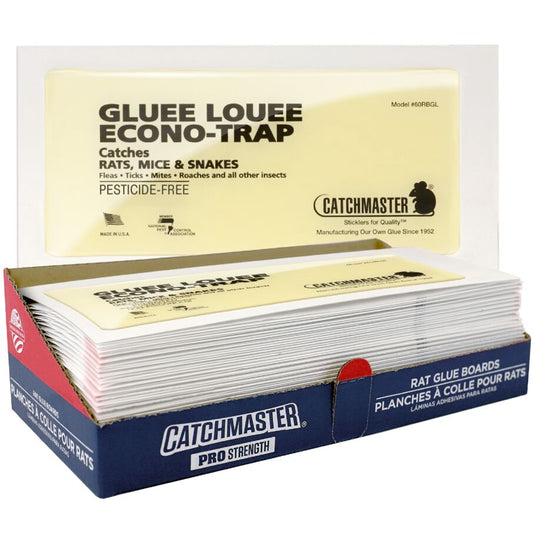
Gluee Louee Econo Extra Large Rat Traps
Regular price $49.55 USDRegular priceUnit price per$49.55 USDSale price $49.55 USD -
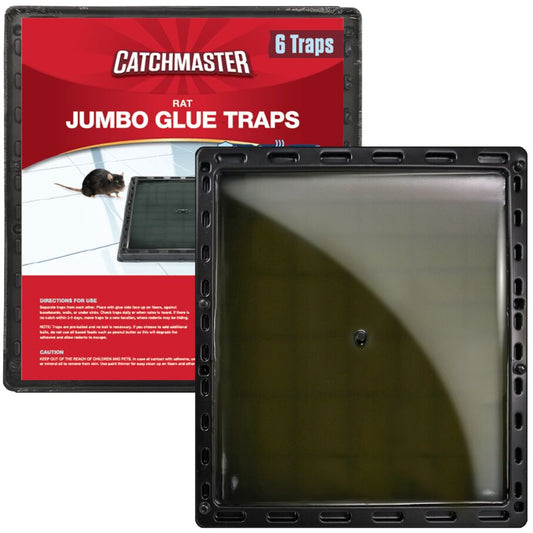
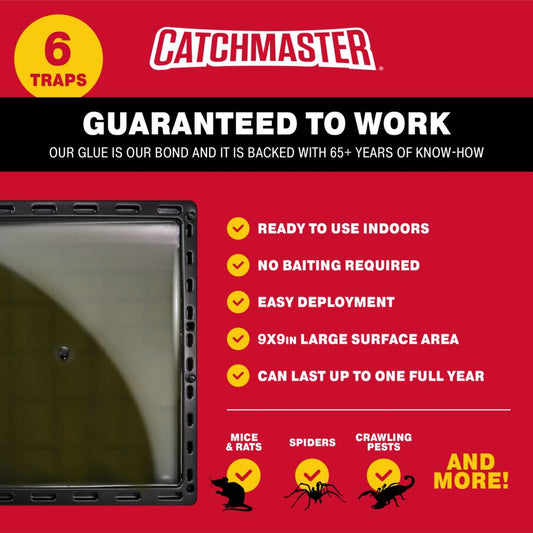
Jumbo Glue Traps for Large Rodents and Other Pests
Regular price $41.09 USDRegular priceUnit price per$41.09 USDSale price $41.09 USD -
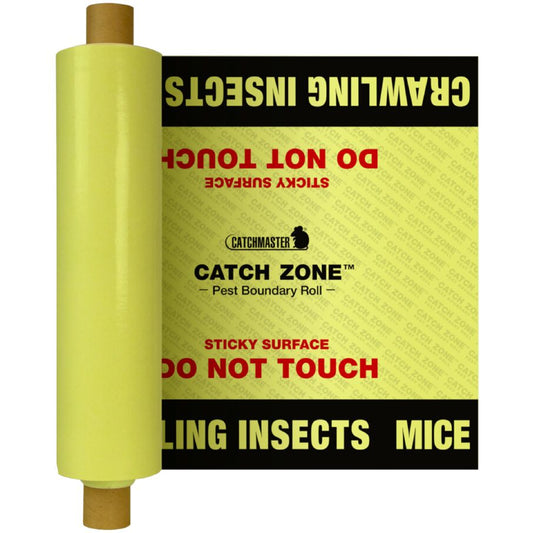
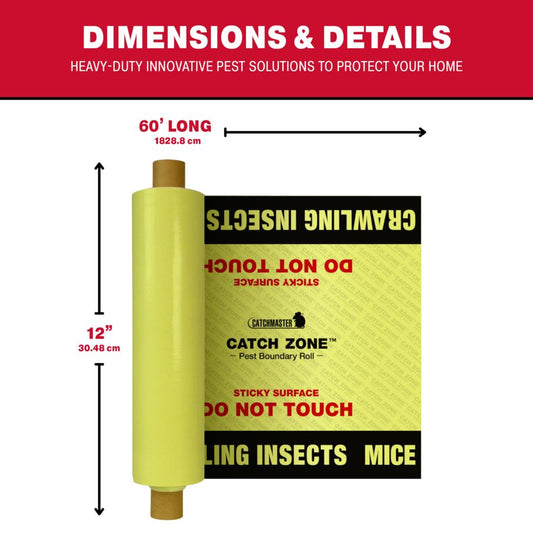
Catch Zone Pest Boundary Roll - Large Area Glue Trap
Regular price $84.99 USDRegular priceUnit price per$84.99 USDSale price $84.99 USD -
Rodent & Insect Glue Trays for Cold Weather
Regular price $22.12 USDRegular priceUnit price per$22.12 USDSale price $22.12 USD -
Mouse & Insect Glue Trays for Cold Weather
Regular price $11.99 USDRegular priceUnit price per$11.99 USDSale price $11.99 USD -
Pro Series Multi-Catch Mini Mouse Trap
Regular price $51.19 USDRegular priceUnit price per$51.19 USDSale price $51.19 USD -
Pest Protection Kit with Glue Boards and Trays
Regular price $14.99 USDRegular priceUnit price per$14.99 USDSale price $14.99 USDSold out -
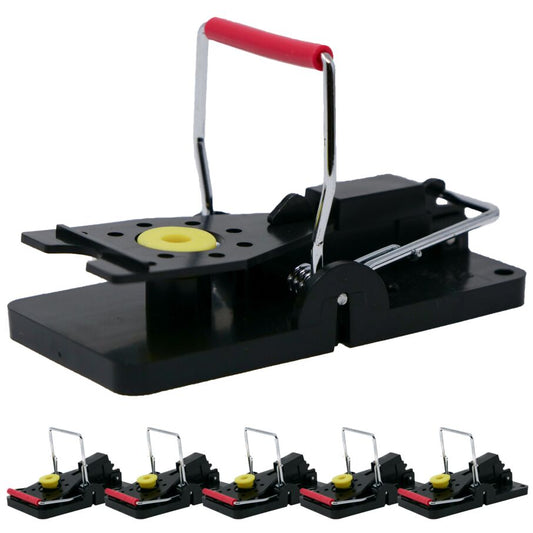
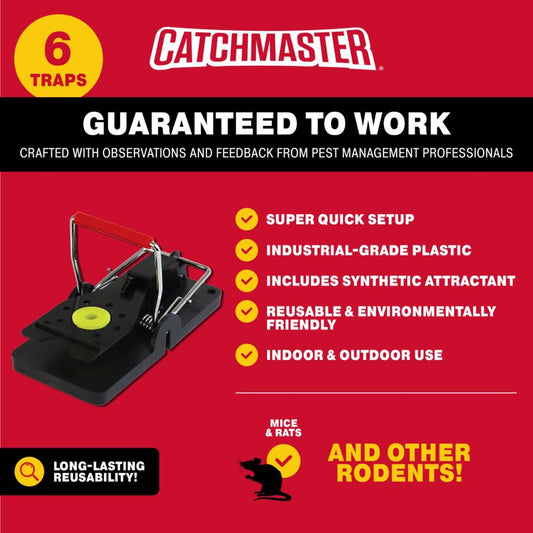
Predator Mouse Snap Trap
Regular price $13.99 USDRegular priceUnit price per$13.99 USDSale price $13.99 USDSold out -
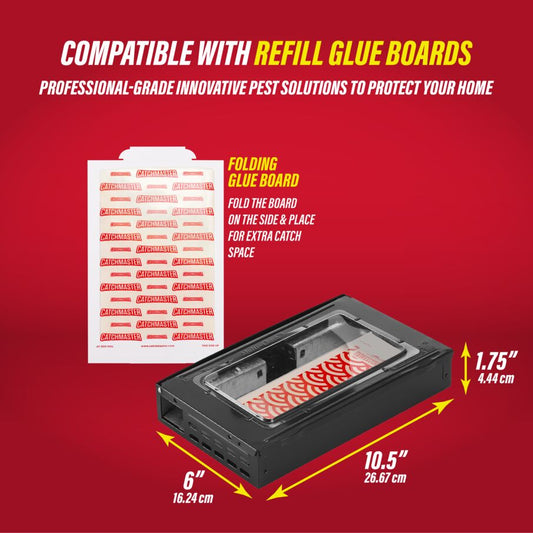
Pro Series Multi-Catch Mouse Trap Includes Replaceable Glue Board (Black)
Regular price $19.99 USDRegular priceUnit price per$19.99 USDSale price $19.99 USD -
Pro Series Multi-Catch Mouse Trap Includes Replaceable Glue Board (White)
Regular price $19.99 USDRegular priceUnit price per$19.99 USDSale price $19.99 USD -
Catchmaster Max-Catch Mouse & Insect Glue Traps - 432 Count
Regular price $203.99 USDRegular priceUnit price per$203.99 USDSale price $203.99 USD